


Nature Experiences: Gallery Highlights Near Ananea Beyond Khao Lak
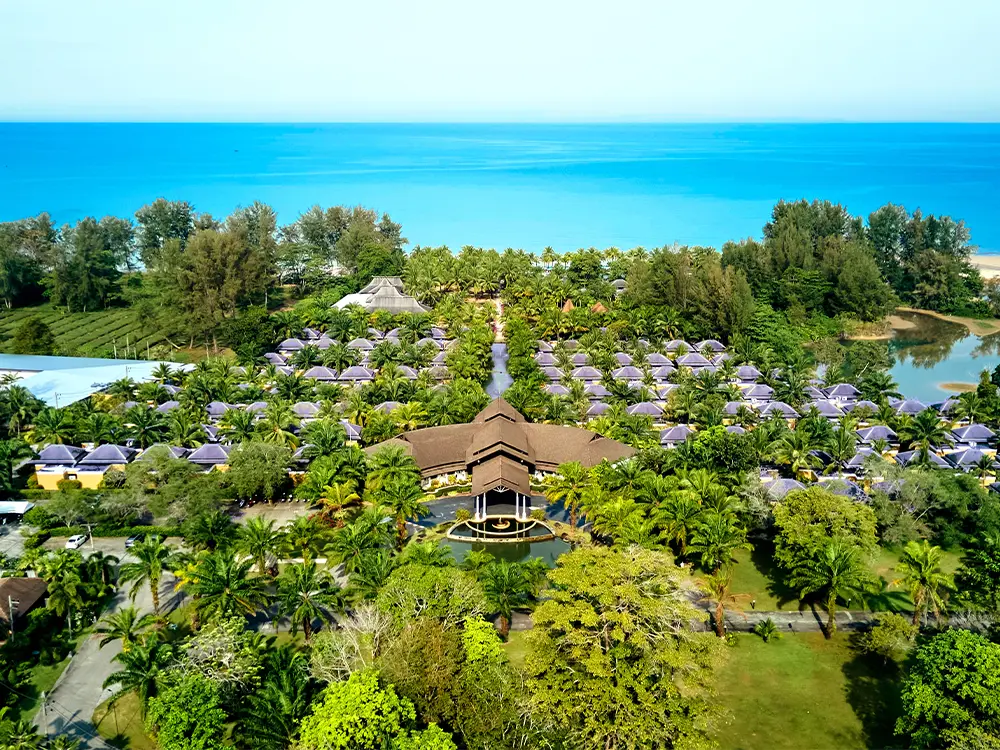
The landscape surrounding Ananea Beyond Khaolak represents one of Thailand’s most biodiverse and visually stunning regions. From ancient rainforests older than the Amazon to pristine coral reefs teeming with marine life, the natural wonders of Khaolak and Phang Nga province offer endless opportunities for exploration, photography, and connection with the wild. This guide highlights the gallery-worthy nature experiences that await guests at this adults-only Pakweep Beach sanctuary.
Khao Sok National Park: The Ancient Rainforest
Understanding the Ecosystem
Khao Sok National Park encompasses 739 square kilometers of pristine rainforest, limestone karsts, and the emerald waters of Cheow Lan Lake. This ecosystem dates back approximately 160 million years, making it older and more diverse than the Amazon rainforest.
Biodiversity Highlights:
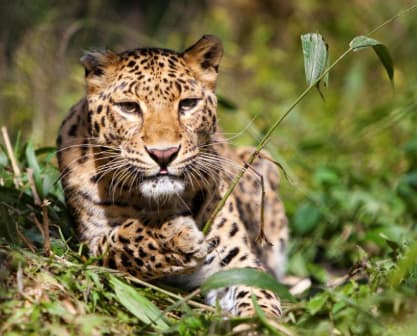
- Mammals: Asian elephants, Malayan tapirs, sun bears, clouded leopards, and gibbons
- Birds: Over 300 species including hornbills, kingfishers, and eagles
- Reptiles: Monitor lizards, pythons, and various snake species
- Insects: Thousands of butterfly species and countless other invertebrates
- Plants: Ancient ferns, towering trees, and the world’s largest flower, the Rafflesia
Gallery-Worthy Experiences
The Rafflesia Quest
The Rafflesia kerrii, the world’s largest flower, blooms unpredictably in Khao Sok’s understory. When open, these parasitic flowers reach 80-90 centimeters in diameter and emit a distinctive odor. Finding one requires:
- Guided trekking: Local guides know recent bloom locations
- Timing: Blooms last only 3-5 days
- Photography: Macro lenses capture the flower’s intricate patterns
- Respect: Never touch or disturb these rare botanical wonders
Wildlife Photography Opportunities
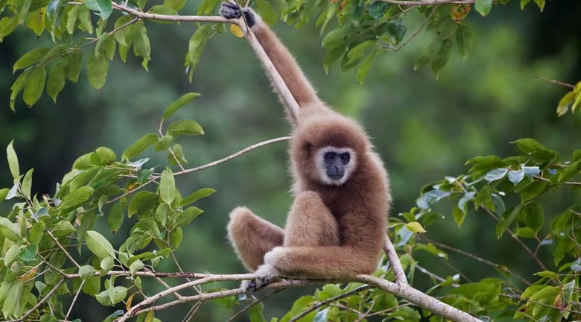
Gibbon Spotting at Dawn
- Best time: 6:00-8:00 AM when gibbons vocalize
- Location: Rainforest canopy along hiking trails
- Equipment: Telephoto lens (200mm minimum) for canopy shots
- Behavior: Listen for their distinctive calls before visual spotting
Hornbill Encounters
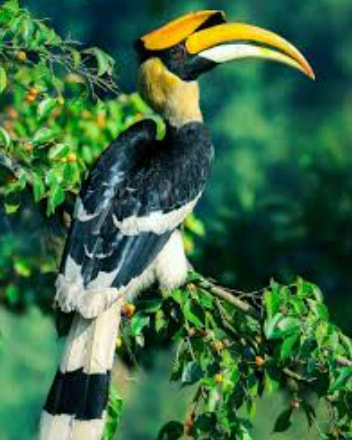
- Species: Great hornbill, Oriental pied hornbill, and helmeted hornbill
- Timing: Early morning and late afternoon feeding periods
- Approach: Quiet observation from designated viewing points
- Conservation note: Helmeted hornbills are critically endangered,please report any sightings
Elephant Encounters (Ethical)
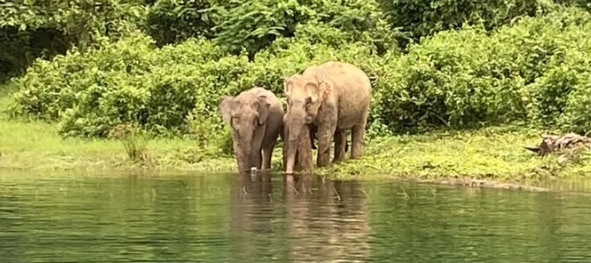
While wild elephants inhabit Khao Sok, sightings are rare. For guaranteed ethical encounters:
- Observation only: Never ride or bathe captive elephants
- Sanctuary visits: Choose observation-focused sanctuaries over entertainment venues
- Photography: Capture natural behaviors, not forced performances
- Conservation support: Select operations contributing to elephant welfare
Cheow Lan Lake: Emerald Waters and Limestone Giants
The Floating Bungalow Experience
Spending a night on Cheow Lan Lake provides unmatched photography and nature immersion:
Sunrise Photography:
- Timing: 6:00-6:30 AM for optimal light
- Subjects: Mist rising from water, limestone karst silhouettes, bird activity
- Technique: Use tripods for long exposures of moving mist
- Colors: Golden hour transforms emerald waters to bronze
Limestone Karst Exploration:
- Cave systems: Tham Nam Thalu and Tham Si Ru contain underground rivers
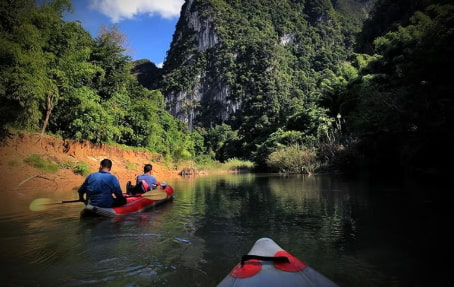
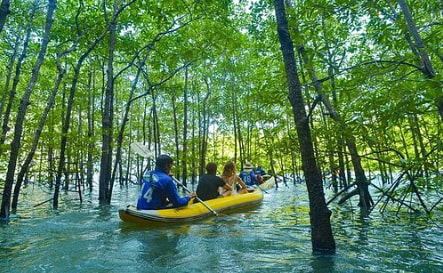
- Kayaking: Paddle through submerged forests and hidden lagoons
- Cliff photography: Dramatic vertical limestone walls rise 900+ meters
- Reflection shots: Calm morning waters mirror karst formations
Wildlife by Water:
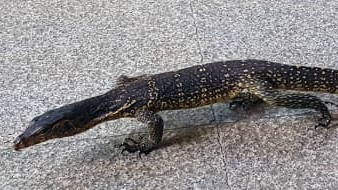
- Monitor lizards: Often spotted swimming or basking on rocks
- Kingfishers: Brilliant blue birds hunting along shorelines
- Langurs: Dusky leaf monkeys in riverside trees
- Fish eagles: Majestic raptors scanning for prey
Marine Ecosystems: The Underwater Gallery
Similan Islands National Park
Thailand’s Premier Marine Destination
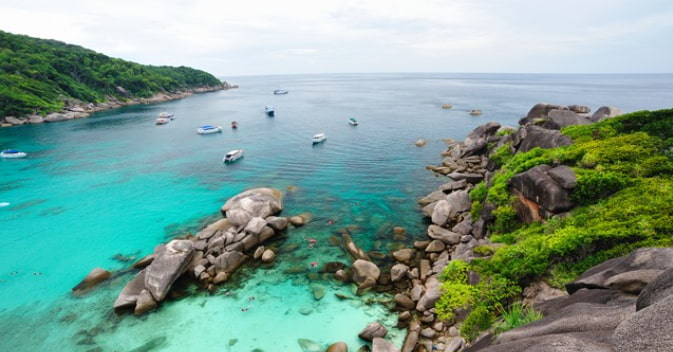
The Similan Islands, located approximately 70 kilometers offshore, consistently rank among the world’s top diving and snorkeling destinations. This protected marine park encompasses 140 square kilometers of coral reefs, granite boulders, and diverse marine life.
Above Water Photography:
- Granite formations: Unique rock structures create dramatic landscapes
- Pristine beaches: Powder-white sand against turquoise water
- Tropical vegetation: Island interiors feature unique plant communities
- Sunset views: Western-facing beaches provide golden hour opportunities
Underwater Photography Highlights:
Coral Gardens:
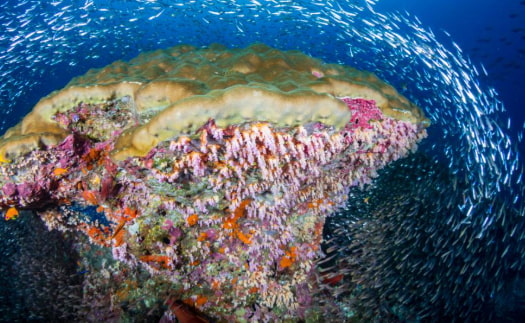
- Diversity: Over 200 coral species create vibrant underwater landscapes
- Shallow snorkeling: 3-8 meter depths perfect for natural light photography
- Macro opportunities: Nudibranchs, shrimp, and small reef creatures
- Wide angle: Capture expansive reef scenes with fish schools
Marine Megafauna:
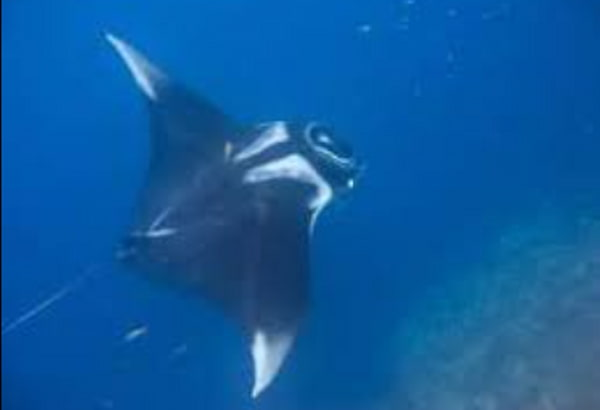
- Manta rays: Seasonal visitors (November-April) at cleaning stations
- Whale sharks: Occasional encounters, particularly at Richelieu Rock
- Sea turtles: Green and hawksbill turtles frequent feeding areas
- Reef sharks: White-tip and black-tip reef sharks patrol deeper areas
Underwater Topography:
- Boulder formations: Giant granite boulders create swim-throughs and caves
- Wall dives: Vertical drop-offs offer dramatic depth perspectives
- Coral bommies: Isolated coral heads attract concentrated marine life
- Sand flats: Leopard sharks and rays rest on sandy bottoms
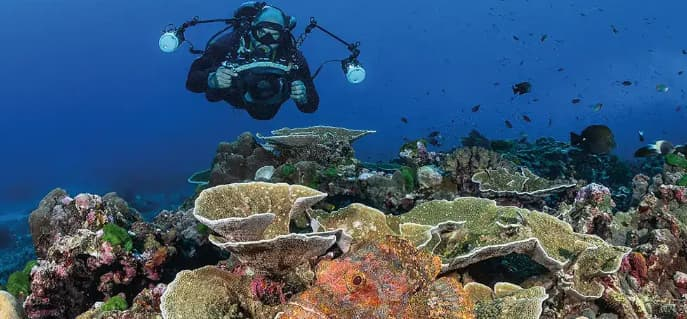
Surin Islands: Untouched Marine Wilderness
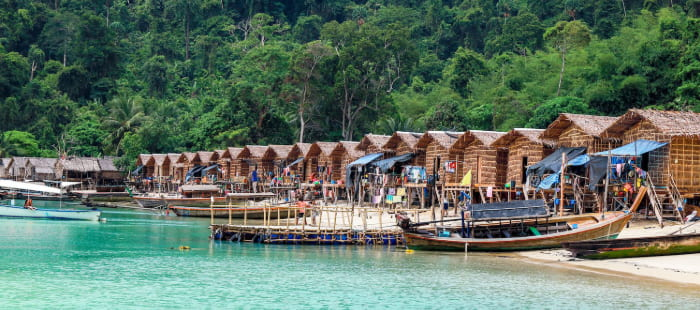
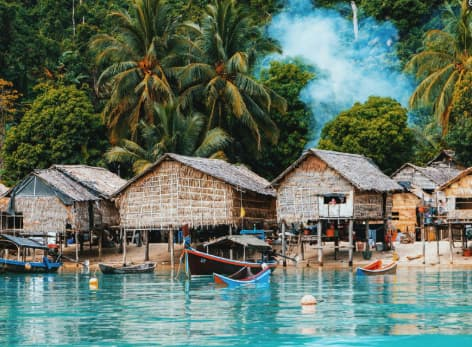
The Sea Gypsy Connection
The Surin Islands offer equally impressive marine biodiversity with fewer visitors than the Similans. The islands are also home to the Moken sea gypsies, a traditional maritime community.
Photography Opportunities:
- Moken village: Document traditional stilt-house architecture (with permission)
- Untouched reefs: Less visited dive sites offer pristine coral conditions
- Beach wilderness: Uninhabited islands provide Robinson Crusoe aesthetics
- Marine life density: Healthy reefs support abundant fish populations
Coastal Ecosystems: Pakweep Beach and Beyond
Beach and Intertidal Photography
Pakweep Beach at Different Tides
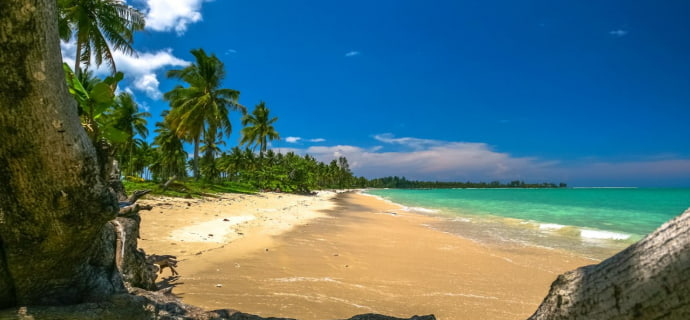
The beach in front of Ananea Beyond Khaolak transforms dramatically with tidal changes:
Low Tide Discoveries:
- Tide pools: Micro-ecosystems in rocky outcrops
- Shell collecting: Ethical photography of diverse shells (leave them in place)
- Sand patterns: Water ripples create abstract designs
- Bird feeding: Shorebirds probe wet sand for invertebrates
High Tide Drama:
- Wave photography: Capture breaking waves with fast shutter speeds
- Reflection shots: Wet sand mirrors sky and clouds
- Swimming action: Family members in surf (waterproof camera recommended)
- Sunset timing: Coordinate high tide with golden hour for maximum impact
Golden Hour Beach Photography:
- West-facing advantage: Pakweep Beach faces the setting sun
- Silhouette opportunities: Figures against colorful skies
- Long exposures: Smooth water effects with ND filters
- Color gradients: Sky transitions from gold to pink to purple
Mangrove Ecosystems
The Nursery of the Sea
Mangrove forests along Khaolak’s estuaries provide critical habitat and unique photography subjects:
Kayaking Through Mangroves:
- Root systems: Aerial roots create intricate patterns
- Wildlife: Mudskippers, crabs, and juvenile fish
- Light filtering: Canopy creates dappled lighting effects
- Reflections: Still water mirrors complex root structures
Bird Photography:
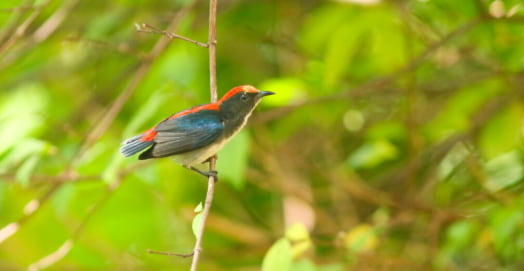
- Kingfishers: Multiple species hunt in mangrove channels
- Herons and egrets: Wading birds stalk shallow waters
- Birds of prey: Brahminy kites soar above mangrove canopy
- Migratory species: Seasonal visitors increase diversity
Wildlife Calendar: When to Visit for Specific Species
Seasonal Wildlife Highlights
November-February (Cool Season)
- Best for: Whale sharks at Richelieu Rock, manta rays, clear underwater visibility
- Bird activity: Peak migratory bird season
- Weather: Calm seas, excellent for boat excursions
- Temperature: Comfortable 25-30°C (77-86°F)
March-April (Hot Season)
- Best for: Rafflesia blooming season, reptile activity
- Underwater: Good visibility before monsoon
- Weather: Hot and dry, occasional afternoon storms
- Temperature: 30-35°C (86-95°F)
May-October (Green Season)
- Best for: Lush rainforest photography, fewer tourists
- Wildlife: Active breeding season for many species
- Weather: Frequent rain, challenging boat conditions
- Temperature: 28-32°C (82-90°F) with high humidity
Daily Wildlife Activity Patterns
Dawn (5:30-7:30 AM)
- Gibbon chorus: Loud vocalisations mark territory
- Bird activity: Peak feeding and calling period
- Photography: Soft light, active animals, misty conditions
- Temperature: Coolest part of day, comfortable for hiking
Morning (8:00-11:00 AM)
- Elephant activity: If present, often moving to water sources
- Butterfly emergence: Increasing activity as temperatures rise
- Tour groups: Popular trails become busier
- Lighting: Bright, contrasty conditions
Midday (11:00 AM-3:00 PM)
- Wildlife resting: Many animals seek shade and shelter
- Reptile basking: Snakes and lizards visible sunning
- Beach activity: Peak human presence on Pakweep Beach
- Photography: Harsh light, challenging conditions
Late Afternoon (3:00-6:00 PM)
- Wildlife revival: Animals become active as heat decreases
- Bird roosting: Flocks gathering for evening
- Golden hour: Optimal photography lighting
- Temperature: Cooling, comfortable for exploration
Night (7:00 PM-midnight)
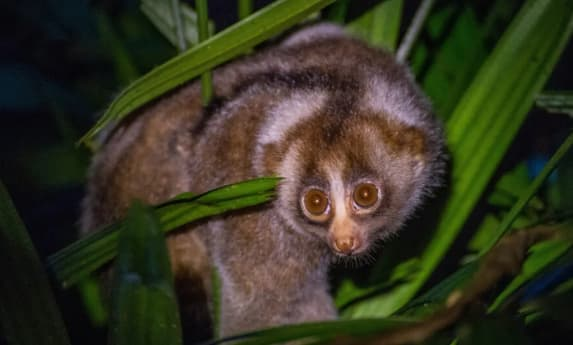
- Nocturnal wildlife: Civets, slow lorises, owls
- Bioluminescence: Some marine organisms glow in disturbed water
- Stargazing: Minimal light pollution reveals brilliant skies
- Safety: Guided night walks recommended
es
Equipment Recommendations
Essential Gear:
- Camera body: Weather-sealed DSLR or mirrorless for humidity protection
- Lenses: Wide-angle (16-35mm) for landscapes, telephoto (70-200mm or longer) for wildlife, macro for details
- Protection: Waterproof housing or bags for boat and beach work
- Stability: Lightweight tripod for dawn/dusk and waterfall shots
- Filters: Polarizing filter for reducing glare, ND filters for long exposures
Underwater Photography:
- Housing: Dedicated underwater housing or action camera (GoPro/Osmo)
- Lighting: External strobes or video lights for color restoration
- Red filter: Compensates for color loss at depth
- Safety: Never dive beyond certification for photography
Field Techniques
Rainforest Photography:
- Exposure compensation: Dark forests often require +1 to +2 EV
- Flash use: Fill flash for backlit subjects, but respect wildlife comfort
- Lens protection: Constant humidity requires frequent cleaning
- Patience: Wildlife photography requires waiting for moments
Beach and Marine Photography:
- Timing: Coordinate with tides and sun position
- Protection: Rinse gear after saltwater exposure
- Composition: Use leading lines of shoreline and waves
- Safety: Be aware of changing tides and currents
Ethical Wildlife Photography:
- Distance: Use telephoto lenses rather than approaching closely
- Behavior: Never bait or disturb animals for photos
- Habitat: Include environmental context rather than tight portraits
- Flash: Avoid flash with nocturnal animals (damages eyes)
Nature Experience Booking and Planning
Resort Coordination
Concierge Services:
Ananea Beyond Khaolak’s concierge team assists with:
- Excursion booking: Khao Sok, Similan, and Surin trips
- Photography guides: Local experts who know wildlife locations
- Equipment rental: Underwater cameras, binoculars, field guides
- Timing advice: Optimal scheduling for specific photography goals
Transportation Options:
- Private transfers: Direct to trailheads and piers
- Group tours: Cost-effective shared excursions
- Boat charters: Private vessels for photography flexibility
- Timing: Early departures maximize wildlife activity periods
Recommended Experience Durations
Khao Sok National Park:
- Day trip: 8-10 hours, covers highlights, limited wildlife
- Overnight: 24 hours, includes dawn/dusk wildlife activity
- 2-3 days: Optimal for diverse experiences and photography
Similan Islands:
- Day trip: 10-12 hours, 2-3 dive/snorkel sites
- Liveaboard: 2-5 days, maximum diving and photography time
- Seasonal: Closed mid-May to mid-October for conservation
Local Exploration:
- Pakweep Beach: Accessible anytime, best at dawn and dusk
- Mangrove kayaking: 2-4 hour trips, tide-dependent
- Local waterfalls: Half-day excursions, best during/after rain
Conservation and Responsible Nature Tourism
Supporting Local Conservation
Ethical Operator Selection:
- Certified guides: Choose operators employing licensed national park guides
- Conservation contribution: Select tours supporting park fees and research
- Small groups: Minimize wildlife disturbance with limited group sizes
- Education focus: Prefer operators emphasizing learning over entertainment
Your Impact Matters:
- Trail staying: Never leave marked paths in protected areas
- Wildlife distance: Use binoculars and telephoto lenses, not proximity
- Coral protection: Never touch or stand on coral reefs
- Waste management: Pack out all trash, including biodegradable items
Citizen Science Opportunities
Contributing to Research:
- Wildlife reporting: Document and report rare species sightings
- Photography contributions: Share images with research organizations
- Bird counts: Participate in seasonal bird surveys
- Coral monitoring: Some operators offer reef health assessment programs
Conclusion
The natural landscapes surrounding Ananea Beyond Khao Lak offer more than just scenic backdrops, they create a complete experience where every day can be shaped by discovery, connection, and quiet appreciation of the environment. From the ancient rainforest of Khao Sok to the vibrant marine ecosystems of the Similan and Surin Islands, and the ever-changing shoreline of Pak Weep Beach, each setting brings its own rhythm, light, and perspective to your stay.
What makes this destination particularly compelling is the balance it provides. You can spend one day immersed in nature, capturing wildlife or exploring limestone formations, and the next returning to the calm, comfort, and privacy of the resort. This contrast allows for a more layered travel experience, one that combines adventure with rest, and exploration with reflection.
For travelers drawn to photography, nature, or simply the desire to experience Thailand beyond its more commercial destinations, Ananea Beyond Khaolak serves as both a base and a gateway. With thoughtful planning and an openness to slow down, the region reveals itself not just as a place to visit, but as a place to observe, appreciate, and remember long after the journey ends.
Frequently Asked Questions
Q1: What’s the best time of year for wildlife photography near Ananea Beyond Khaolak?
November through April offers optimal conditions: clear skies for landscapes, calm seas for marine photography, and active wildlife. However, green season (May-October) provides lush rainforest conditions and fewer tourists.
Q2: Do I need professional camera equipment for good nature photos?
While professional gear offers advantages, modern smartphones capture excellent images in good light. For wildlife, at least a basic telephoto lens (200mm) significantly improves results. Underwater photography requires specialized housing.
Q3: Can beginners enjoy Khao Sok National Park?
Absolutely. Trails range from easy boardwalks suitable for all fitness levels to challenging multi-day treks. Guides adjust pacing and routes to match group capabilities.
Q4: Are the Similan Islands suitable for non-divers?
Yes, the Similans offer exceptional snorkeling from the surface. Many sites have shallow coral gardens accessible without scuba equipment. Glass-bottom boat tours provide options for non-swimmers.
Q5: What’s the chance of seeing elephants in Khao Sok?
Wild elephant sightings are rare but possible, particularly on early morning guided treks in less-visited areas. For guaranteed ethical encounters, visit observation-focused sanctuaries rather than seeking wild animals.
Q6: How physically demanding are the nature excursions?
Options exist for all fitness levels. Kayaking, gentle hiking, and boat tours suit most abilities. Strenuous jungle trekking and multi-day camping require good physical condition.
Q7: Can I visit Khao Sok without a guide?
While some areas allow independent exploration, guided tours provide safety, wildlife spotting expertise, and educational value. Guides are mandatory for certain trails and activities.
Q8: What’s the best way to photograph the Rafflesia flower?
Hire a local guide who knows current bloom locations. Use macro lenses for detail shots and respect the flower by never touching it. Blooms last only 3-5 days, so timing is crucial.
Q9: Are there dangerous animals I should worry about?
Thailand’s wildlife is generally not aggressive toward humans. Follow guide instructions, maintain distance from all animals, and wear proper footwear on trails. Venomous snakes exist but avoid human contact.
Q10: How do I book nature excursions through Ananea Beyond Khaolak?
Contact the resort concierge before arrival or upon check-in. They coordinate all bookings, transportation, and guide arrangements, ensuring seamless nature experiences.
Q11: What’s the minimum time needed to experience Khao Sok properly?
A full day provides highlights, but an overnight stay allows dawn wildlife activity and sunset photography. Two days optimizes the experience for photography and diverse activities.
Q12: Can I combine multiple nature experiences in one day?
Generally not recommended. Each major destination (Khao Sok, Similan Islands) deserves full-day attention. Combining leads to rushed experiences and missed opportunities.
Q13: What should I pack for nature excursions?
Essentials include: comfortable walking shoes, sun protection, insect repellent, rain gear (green season), camera with charged batteries, binoculars, and plenty of water. Guides provide additional specialized equipment.
Q14: Are there age restrictions for nature activities?
Most activities suit adults of all ages. Strenuous trekking may have upper age limits or require medical clearance. The resort helps select appropriate activities for all group members.
Q15: How does visiting during green season affect nature experiences?
Green season (May-October) brings rain but also lush vegetation, active wildlife, and fewer tourists. Some boat excursions may be cancelled during rough seas, but rainforest experiences remain excellent.